
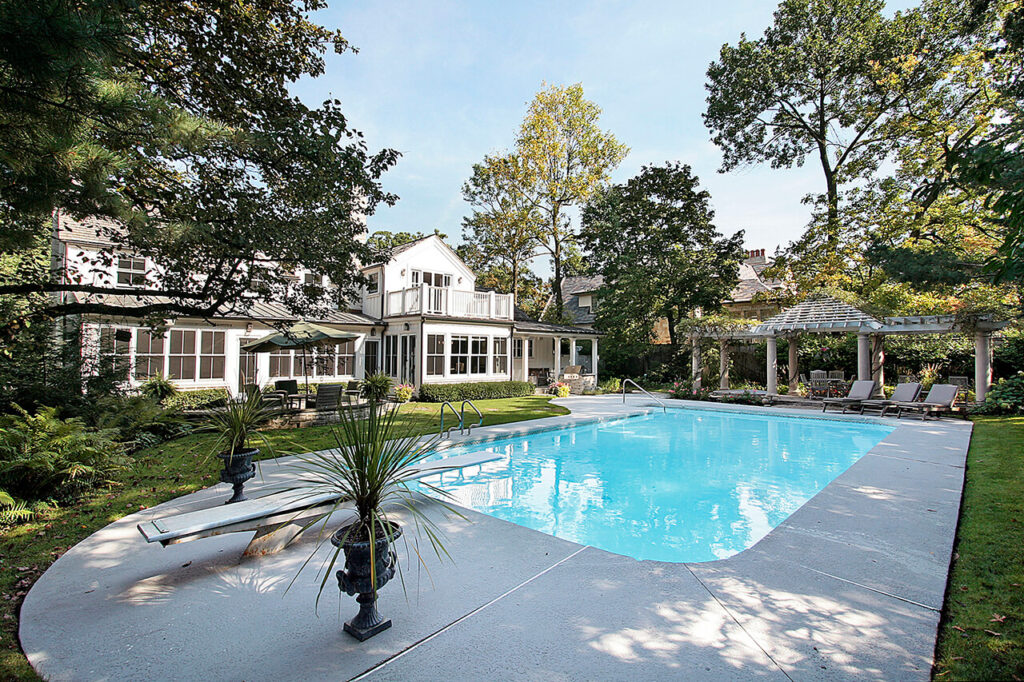
A backyard pool is one of those features that can turn a house into a home. It also happens to be one of the more mechanically involved parts of a property, with a shell, a deck, a plumbing loop, an electrical system, and a stack of equipment that all need to work together. Buyers looking at homes in Alpharetta, Cumming, Roswell, and Sandy Springs often see the pool as a bonus rather than a system that requires close evaluation. That assumption can turn into a five-figure surprise after closing. A dedicated pool inspection puts eyes on every component before you commit, so what looks like a summer amenity doesn’t quietly become a problem you inherited.
BHR Home Inspections offers pool inspections throughout Alpharetta, Cumming, Dawsonville, Canton, Woodstock, Roswell, Duluth, Sandy Springs, and Dunwoody. Our home inspectors evaluate residential pools with the same thoroughness we bring to the rest of the property, and we’ve reviewed enough backyard pools across the north metro to spot recurring issues quickly. Whether the pool is a decades-old gunite installation in an established Roswell neighborhood or a recently built vinyl liner pool in a newer Cumming subdivision, we document what we find with photographs and clear explanations you and your agent can act on.
About the Pool Inspection
A pool inspection is a visual evaluation of a residential pool’s structural, mechanical, electrical, and safety components. Our home inspectors begin with the shell, examining visible surfaces of the pool interior for cracks, plaster or finish deterioration, staining, and any evidence of leaks. The coping, tile line, and deck receive close attention because settlement, deck movement, and joint failure show up here first. Skimmers, returns, main drains, and any water features are documented for condition and operation. If the pool includes an integrated spa, we evaluate its components alongside the pool.
The equipment pad is the mechanical heart of the pool, and we spend real time there. The pump is checked for operation, priming, and visible leaks. Filters (sand, cartridge, or diatomaceous earth) are evaluated for condition and pressure differentials. Heaters, whether gas or heat pump, are documented for age, condition, venting, and any visible corrosion or damage. Salt chlorine generators, chemical feeders, automation systems, and any specialty equipment are reviewed. Plumbing on the equipment pad is inspected for corrosion, leaks, and improper repairs. Valves are checked for function.
Electrical is where pool inspections earn a substantial part of their value. Every pool component that operates on electricity must be properly bonded and grounded, and GFCI protection is required for the equipment and any pool-related receptacles. Our home inspector documents the visible bonding grid, the panel and disconnects serving the pool, and the condition of any low-voltage lighting or 120-volt fixtures. Improperly installed or aging pool electrical is a recurring source of hazard, and it’s one of the more common findings we identify during pool inspections.
Safety features round out the review. Georgia law and local ordinances address pool barriers, gates, and self-closing hardware, and buyers of homes with pools benefit from knowing whether the property complies. Automatic and manual safety covers, ladders, handrails, diving boards, and slides are evaluated for condition and safe operation. If the pool includes an alarm, we test it. Where relevant, we note when the property does not meet current standards, even if it complied at the time of construction.
The report is delivered digitally, with photographs and, when helpful, video clips of specific findings. Priorities are called out at the top so the significant items don’t get lost among cosmetic notes.
Why Pool Inspections Matter in North Georgia
The Atlanta metro has one of the longer swim seasons in the country, and pools in the north metro get real use from spring through fall. That extended season also means extended wear on equipment, plaster, tile, and deck materials. Georgia’s clay-heavy soils can shift under pool decks over time, producing settling, cracking, and joint separation that owners either don’t notice or dismiss as cosmetic. Heavy tree canopy across Alpharetta, Roswell, and Sandy Springs brings organic debris that stresses filtration systems, stains plaster, and can clog skimmer baskets faster than owners expect.
Pool equipment doesn’t last forever. Pumps typically run eight to twelve years, heaters similar, and salt cells three to seven depending on use and water chemistry. Buyers who inherit older equipment often face replacement costs that could have been factored into the purchase price if a pool inspection had documented the situation ahead of closing. Plaster finishes on gunite pools generally require refinishing every ten to fifteen years, and vinyl liners have their own replacement cycle. Knowing where you are in these cycles matters when you’re evaluating a property.
Safety and liability considerations are just as important as maintenance ones. Improper electrical bonding has caused fatalities in residential pools. Non-compliant barriers create exposure for homeowners with children or frequent guests. A pool inspection identifies these issues before you close, and gives you the documentation to address them either through negotiation or through post-closing remediation. For current homeowners, an inspection can also serve as a baseline for insurance discussions or before undertaking any major pool renovation.
Why Choose BHR Home Inspections for Your Pool Inspection?
Our home inspectors carry the training and field experience needed to evaluate residential pools competently. We approach the pool as a distinct system rather than an afterthought at the end of the house tour, and we take the time to test operation, examine the equipment pad, and document safety features in enough detail that our findings actually inform decisions. We’re not pool contractors, and we don’t pretend to be. Our role is to identify observable conditions and point buyers, sellers, and homeowners toward the specialists who can quote and complete repairs when needed.
Operating as a multi-inspector firm gives us the scheduling flexibility to fit pool inspections into busy transaction timelines, and we regularly pair pool inspections with our complete home inspections so buyers get a full picture of the property in a single visit. Reviews from past clients across the north Atlanta metro describe the experience in more depth than we can here.


Schedule Your Pool Inspection in Alpharetta, Roswell, Sandy Springs, and Beyond Today
BHR Home Inspections also provides complete home inspections, radon testing, and mold testing. Homebuyers with pools often bundle the pool inspection with the home inspection, and depending on the property’s age and condition, radon or mold sampling may make sense in the same visit. We can talk through the right combination when you call.
To book your pool inspection, contact us or schedule your inspection online. We serve Alpharetta, Cumming, Dawsonville, Canton, Woodstock, Roswell, Duluth, Sandy Springs, and Dunwoody. Whether you’re closing on a home with a decades-old gunite pool or evaluating a recently built property with newer equipment, our home inspectors are ready to give you the pool’s story in enough detail that no part of it comes as a surprise later.